
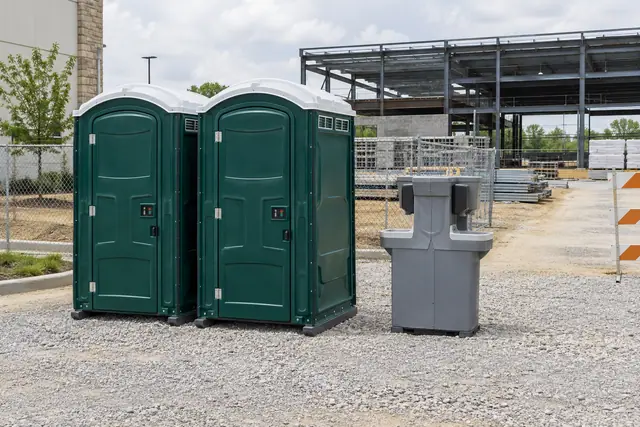
Choose a crew base that will stay usable
Mark the work area, delivery approach and the route workers will take on foot. A toilet near the gate may be convenient for servicing but unsuitable if the crew must cross moving plant to reach it. Discuss a position that accommodates both activities.
On a remodel, state whether the property's indoor facilities are available to workers. A homeowner's or tenant's bathroom should not be counted unless its use is actually agreed. Include subcontractors who arrive for only part of the programme.
Keep construction changes visible
Scaffolding, stored materials and parked vehicles can remove an initially clear route. Make the restroom position part of the site's daily housekeeping instructions, with a named contact who can act when it becomes obstructed.
When the active work moves to another part of the property, ask for a revised plan before shifting equipment yourself. A new phase can change both the walking distance and the supplier's service access.
Order care around use and access
Explain working days, shifts and the expected peak crew. Ask how scheduled service will fit the site's access controls and who needs notice of a visit. The rental period, care arrangement and potential changes should be written together.
Separate ordinary site tidiness from specialist toilet servicing. Workers can keep the approach clear and report problems; they should not dispose of construction liquids or debris in the toilet.
Questions before you book
What information helps with a job-site quote?
The exact property, first and last working dates, peak crew and shifts, access restrictions, toilet type and washing needs.
Is a toilet booking a workplace-compliance assessment?
No. The employer remains responsible for applicable workplace requirements and should obtain the appropriate advice for the job.