
Separate participants from visits
A person playing in more than one activity is still one person, but may remain at the property longer. Conversely, spectators and officials may not appear on a team roster at all. Describe the schedule and who stays between sessions.
Estimate the busiest overlap when one group is finishing and another is arriving. Explain that pattern to the provider rather than simply adding all daily registrations or using only the largest team.
Use the actual sports layout
Identify the fields or activity areas in use and any existing restrooms the operator confirms are available. Consider where waiting players and spectators will stand so the toilet approach does not become part of the sideline crowd.
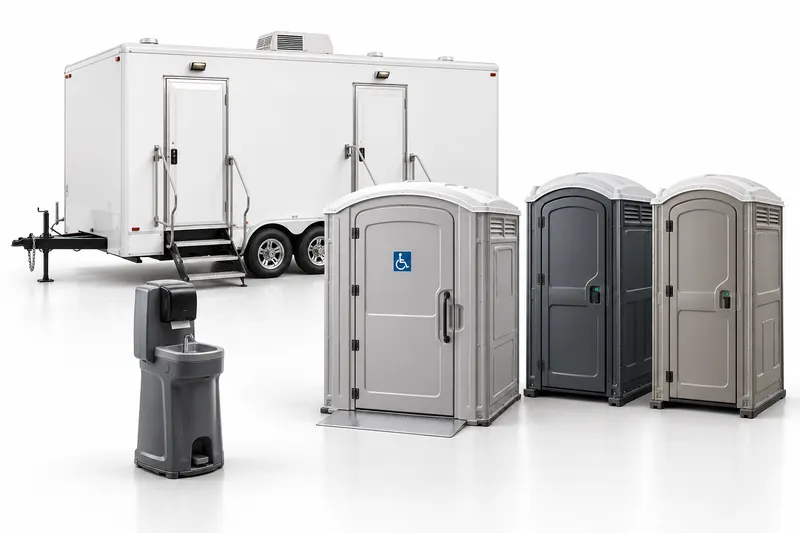
Include washing and accessible-use requirements. A participant's fitness or sporting role does not tell you every user's needs; spectators and helpers may require different access features.
Keep late changes in the estimate
If the schedule gains another session or invites spectators who were not previously expected, revisit the assumptions. Tell the provider what changed and ask whether the same quantity and care remain suitable.
Confirm the correct operator's approval for the proposed setup. The named facilities on a public page establish context, not a reservation or permission for rental equipment.
Questions before you book
Should I total every team roster?
Use it as a starting point, then account for repeated participants, spectators, staff, duration and the peak overlap.
Who approves the park position?
The responsible property operator. Forest View identifies its Park District as a separate entity from village government.